01 · Raleigh Youth Power
Invest in youth. Not curfews.
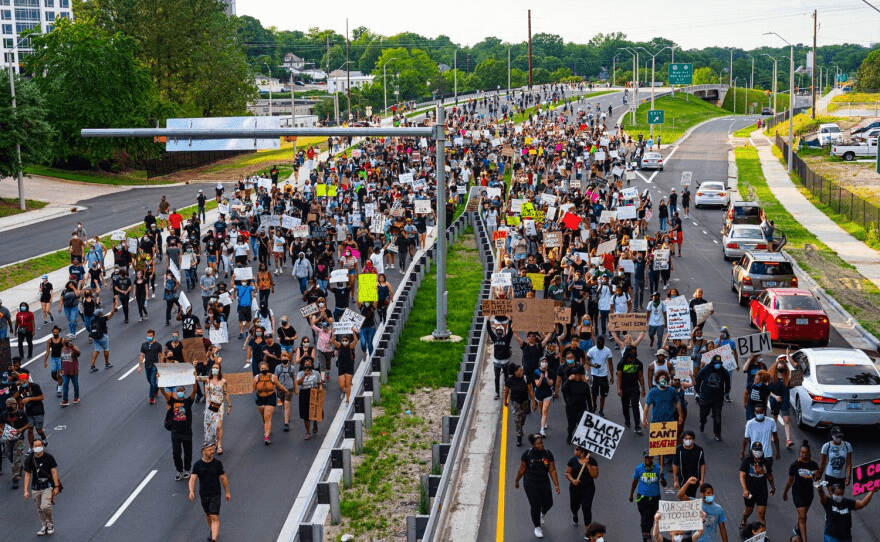
Raleigh considered a citywide teen curfew. We're asking what actually makes young people safer — and giving Raleigh residents ways to participate in the conversation.
The Curfew Timeline
Where are we now?
JULY 7
HAPPENEDCouncil directs staff to draft a curfew ordinance
Raleigh City Council directed staff to draft a citywide curfew ordinance for people 17 and under.
AUGUST 18
HAPPENEDCouncil discusses the proposed teen curfew
Council heard and discussed the proposed curfew ordinance.
WATCH WHAT HAPPENED →SEPTEMBER 8
HAPPENEDDedicated City Council public comment session
Raleigh residents gave public comment on the proposed curfew at a dedicated session.
VOTE DELAYED
HAPPENEDCouncil delays its scheduled vote
Council was scheduled to vote on the curfew and delayed the decision. No new vote date has been set.
SEPTEMBER 2026
HAPPENEDCurfew proposal on hold
Councilwoman Jane Harrison confirmed the city is no longer actively pursuing the curfew — every Council member reportedly agreed not to move forward with it. This is a major milestone, but it isn't final: Council must still vote before the decision is official, and no vote date has been set.
READ THE WRAL REPORT →YOU ARE HERE
YOU ARE HEREThe City heard from teens on October 12
The curfew proposal is on hold, but it hasn't been formally resolved through a Council vote. The City hosted a community conversation with teenagers on October 12 about youth safety and the proposal. We're staying engaged until this is actually settled, and will post what's next as the City announces it.
VIEW CITY EVENT DETAILS →
What Happened To The Proposed Curfew?
In September 2026, Councilwoman Jane Harrison confirmed that Raleigh City Council is no longer actively pursuing the curfew — every Council member reportedly agreed not to move forward with it. That's a real result of the community pressure this campaign helped build.
But it's not the same as a final decision. Before it's official, Council still has to vote on the proposal, and no vote date has been set. The City hosted a community conversation on October 12 to hear directly from teens.
Read the WRAL report →The Receipts
Every claim, sourced.
We believe strong campaigns should be grounded in facts. If you see an error or have updated information, contact the campaign at youngamericansprotest@proton.me.
One dedicated teen center in Raleigh
Source: City of Raleigh Parks, Recreation and Cultural Resources — Teen ProgramsAlmost 100,000 children impacted by the curfew
Source: City of Raleigh Planning and Development — City ProfileResearch shows that child curfews do not reduce crime
Source: The Marshall Project — "Why Juvenile Curfews Don't Work" (citing a 2016 Campbell Collaboration systematic review of 12 studies)What Safety Could Look Like
We are not against safety. We have a better safety plan.
A curfew treats every teenager in Raleigh as a suspect for the actions of a few. Here's what the research and organizing in other cities point to instead.
More dedicated teen centers
Real, staffed spaces built for teenagers — not repurposed rooms with nowhere to go after 9pm.
Late-night recreation
Extended hours at rec centers, gyms, and libraries so young people have somewhere to be, not just somewhere to leave.
Paid youth jobs
Real employment and job training that puts money in young people's pockets and structure in their week.
Free or expanded transportation
Getting to a job, a program, or a mentor shouldn't depend on a car a teenager doesn't have.
Mentorship
Consistent adult relationships — coaches, tutors, and mentors — proven to matter more than policing.
Mental-health support
Accessible counseling and crisis support that meets young people where they are, before a crisis escalates.
Violence interruption
Trained community members who de-escalate conflict directly, instead of routing every incident through police contact.
Youth advisory councils with real power
Young people should help design the policies aimed at them — with an actual vote, not just a listening session.
Targeted safety plans for nightlife districts
Address specific incidents in specific places — like Glenwood South and Brier Creek — without restricting every teenager in Raleigh.